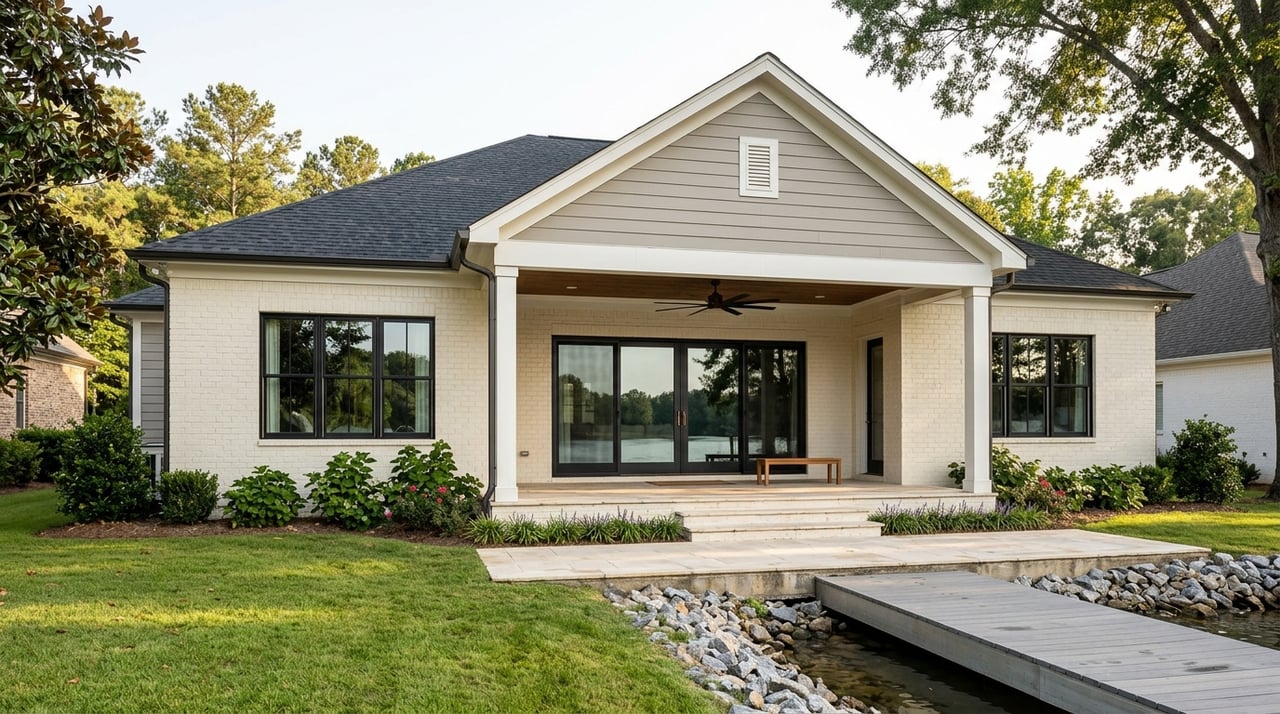
If the idea of waking up near the water sounds appealing, Lake Lanier living near Gainesville may be worth a closer look. You get the pull of a major lake lifestyle, but you are not cut off from everyday essentials like healthcare, shopping, dining, and a real downtown. If you are trying to decide whether this area fits your routine, priorities, and budget, this guide will help you weigh the upside and the trade-offs. Let’s dive in.
What Lake Lanier Living Means
Living near Lake Lanier in Gainesville is about more than having water views on the map. Hall County describes Lake Lanier as a 38,000-acre lake with 540 miles of shoreline, while the U.S. Army Corps of Engineers describes it as about 39,000 acres with more than 690 miles of shoreline. Either way, you are looking at a large regional destination that shapes daily life in the area.
That scale matters because it affects both lifestyle and demand. This is not a quiet private pond tucked behind one neighborhood. It is a major public recreation asset that plays a central role in Hall County and the Gainesville area.
Gainesville Offers Real Lake Access
One of the biggest advantages of living near Lake Lanier in Gainesville is that public lake access is built into the city experience. Gainesville identifies five city parks with access to Lake Sidney Lanier: Holly Park, Lake Lanier Olympic Park, Lanier Point Park, Linwood Nature Preserve, and Longwood Park. That gives you multiple ways to enjoy the lake without needing a private dock.
Lake Lanier Olympic Park stands out because it connects the area’s lakefront to Gainesville’s Olympic legacy. It continues to operate as a public recreation venue tied to the 1996 rowing and canoe and kayak events. For many buyers, that adds a sense of place that goes beyond simple proximity to the water.
Parks and Recreation Near the Lake
If you want a lake-centered routine, Gainesville gives you a lot of practical options. Holly Park includes a small beach, picnic pavilions, a public boat ramp, and fishing access. Lake Lanier Olympic Park offers a public boat ramp, courtesy dock, public beach, shaded picnic areas, restrooms, and parking.
Lanier Point Park adds trails, picnic space, a pavilion, and a boat ramp. Longwood Park is known for lake views, a courtesy boat dock, a fishing pier, and a greenway connection toward downtown Gainesville. These features make it easier to fit the lake into your everyday life, not just your holiday weekends.
Hall County also highlights Laurel Park, which includes a 350-foot mega boat ramp elevated to help maintain access during drought conditions. That is an important reminder that lake living is not just about scenery. Infrastructure and water-level conditions can affect how you use the lake.
Don Carter State Park is another major asset near Gainesville. Georgia State Parks describes it as the only state park on Lake Lanier, with boat ramps, trails, a beach, cabins, and campgrounds. If you want variety in how you spend your weekends, that broad mix of recreation can be a real quality-of-life benefit.
The Lifestyle Upside
For many buyers, the appeal is simple. You can enjoy boating, fishing, paddling, trails, picnic areas, beaches, and event spaces while still staying close to a city center. That balance is a big reason Gainesville stands out among lake-oriented areas in North Georgia.
Downtown Gainesville helps support that balance. The city describes its historic downtown square as home to locally owned shops, restaurants, and green spaces. That means lake life here can feel like a getaway without asking you to give up convenience.
Healthcare access is another meaningful advantage. Northeast Georgia Medical Center Gainesville is the 629-bed flagship hospital of Northeast Georgia Health System and a Level I Trauma Center. If you are comparing Gainesville to more remote lake areas, that concentration of services may carry real value for your household.
The Trade-Offs to Know
Lake living near Gainesville is attractive, but it is not all peaceful shorelines and sunset views. Hall County describes Lake Lanier as one of the most visited lakes in the Southeast, and the shoreline is open for general public use. In practical terms, that can mean more weekend activity, more traffic near parks and ramps, and a busier feel in some lake-adjacent areas.
Water safety is another everyday consideration. Gainesville notes that swimming is not recommended at several lake parks because no lifeguards are on duty. If you plan to spend a lot of time on or near the water, you will want to treat safety planning as part of the lifestyle.
Housing Patterns Near the Lake
Homes near Lake Lanier often feel different from homes in inland subdivisions. Hall County’s comprehensive plan describes Lake Area Residential places as generally low-density, with an emphasis on single-family development at about one dwelling per acre. That usually creates a more spacious setting and a less dense feel.
The same plan also notes that many of these lake-area neighborhoods are outside the county sewer service area, though they do have public water. For you as a buyer, that means due diligence is especially important. Septic systems, drainage, and site conditions can matter more here than they might in a newer inland neighborhood.
Rules Can Affect Lakefront Property
If you are shopping for a home marketed as lakefront, it is important to separate the home itself from the shoreline rights that may or may not come with it. The U.S. Army Corps of Engineers states that it may issue permits for certain minor private facilities on public lands and waters, but those permits are generally nontransferable, run up to five years, and do not grant real estate rights or exclusive private use of government property. The shoreline also remains open for general public use.
That means terms like “lakefront” and “dock” need careful verification. A property may sit near the water and still have limitations on what you can use, maintain, or change. You will want to confirm dock status, permitted structures, and any shoreline-use details early in the process.
Site Development May Be More Limited
Lake-area lots can come with added development constraints. Hall County’s code references vegetative buffers next to Lake Lanier and added erosion-control requirements for site work along the lake boundary. If you are hoping to clear views, expand outdoor space, or make additions, those rules may affect what is possible.
This does not mean the property is not a good fit. It simply means the lake lifestyle often comes with a different layer of planning than inland homes. Understanding those limits before you buy can save time, money, and frustration later.
Short-Term Rental Questions
Some buyers look at lake homes as both personal-use properties and possible income opportunities. Hall County’s comprehensive plan notes that residential areas near Lake Lanier include a 500-foot buffer around the lake where properties may be eligible for Vacation Cottage District zoning, allowing single-family homes to be used as short-term vacation rentals.
That does not mean every lake-area home qualifies for that use. It does mean zoning and land-use review should be part of your research if rental potential matters to you. This is one area where clear, property-specific fact-checking is essential.
Getting Around and Staying Connected
Another reason buyers consider Gainesville is that lake living here does not mean total isolation. Hall Area Transit serves destinations such as grocery stores, medical offices, jobs, retail, and government offices. The system also includes on-demand rides, a vanpool service, and a seasonal free trolley.
Even so, the area remains more road-oriented than transit-centered. If commute times, daily errands, or access to services are high on your list, it helps to think through your likely routes and routines before choosing a specific location near the lake.
Who Lake Lanier Living Fits Best
Lake Lanier living near Gainesville can be a strong match if you want a home that supports outdoor recreation and a more relaxed setting without leaving behind city conveniences. It may also appeal to buyers who value lower-density surroundings and want access to parks, boat ramps, trails, and a downtown district in the same market.
It may be less ideal if you want a highly predictable suburban infrastructure profile or a very quiet weekend environment near the water. Public access, seasonal activity, shoreline rules, and utility differences can all shape your experience. The best fit usually comes down to how you balance lifestyle goals with practical expectations.
If you are exploring Lake Lanier living near Gainesville, the right guidance can make a big difference. From understanding the feel of different lake-adjacent areas to verifying dock status, utilities, and zoning details, working with an experienced local broker helps you move with clarity. When you are ready to talk through your options, connect with Lucia Brooks - Towe.
FAQs
What is Lake Lanier living near Gainesville like?
- It combines access to boating, fishing, parks, trails, and beaches with everyday convenience from Gainesville’s downtown, healthcare, and local services.
What parks offer Lake Lanier access in Gainesville?
- Gainesville identifies Holly Park, Lake Lanier Olympic Park, Lanier Point Park, Linwood Nature Preserve, and Longwood Park as city parks with public lake access.
What should buyers verify about lakefront homes near Gainesville?
- You should confirm whether the property truly has lake access, dock rights, permitted shoreline structures, and any limitations tied to Corps shoreline rules.
Are homes near Lake Lanier in Hall County usually low density?
- Hall County describes Lake Area Residential areas as low-density places focused on single-family homes at about one dwelling per acre.
Are some Lake Lanier homes near Gainesville outside sewer service areas?
- Yes. Hall County’s plan states that many lake-area residential locations are outside the county sewer service area, though they do have public water.
Can a Lake Lanier home near Gainesville be used as a short-term rental?
- Possibly, but it depends on zoning and location. Hall County notes that some properties within a 500-foot lake buffer may be eligible for Vacation Cottage District zoning.